Admissions Open 2026-27


Date: Aug 07, 2026 Day: Friday
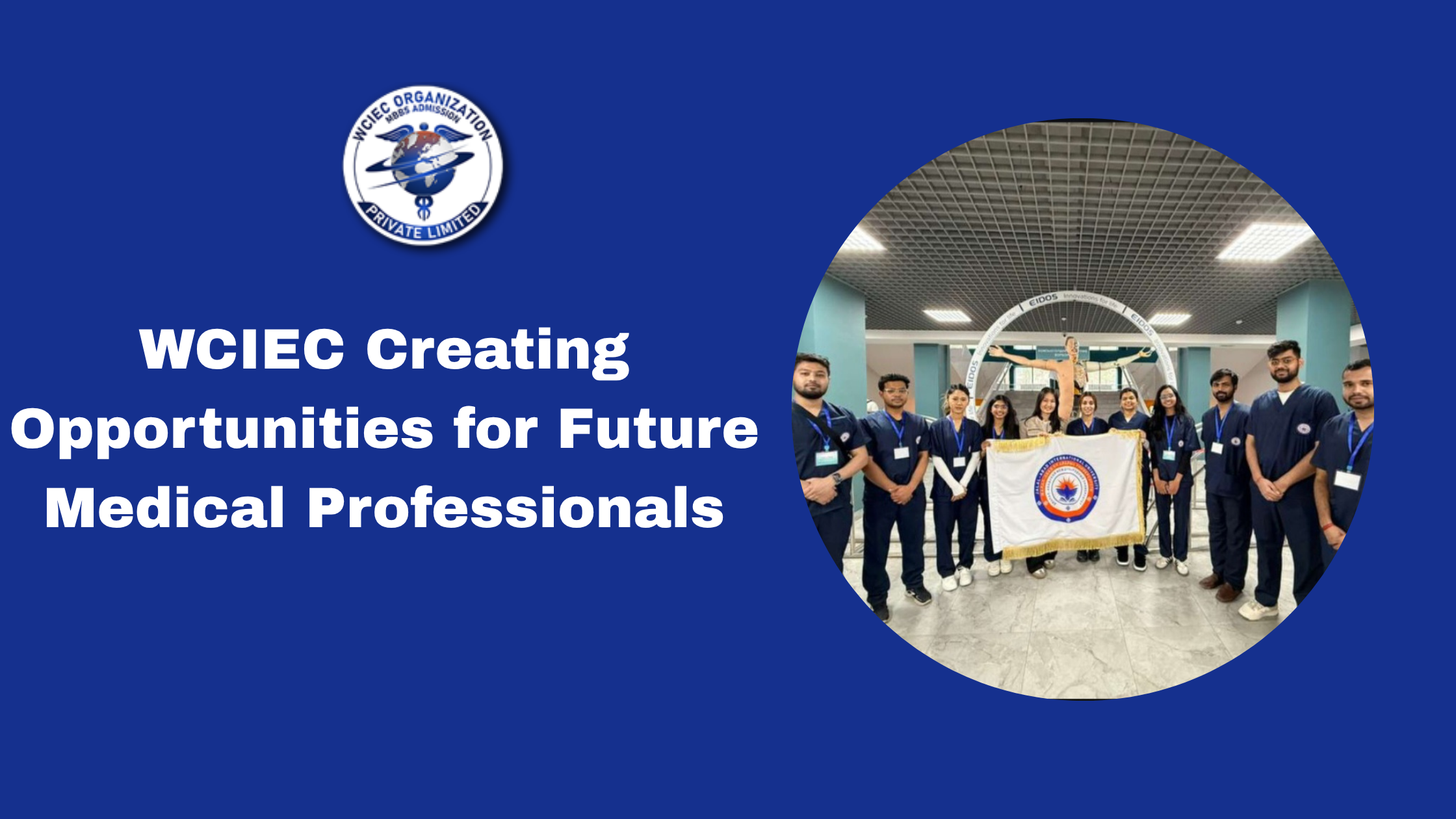
For thousands of students, becoming a doctor is a dream built on years of hard work, determination, and a desire to serve others. Medical education is not simply about earning a degree; it is the beginning of a professional journey that requires knowledge, discipline, practical skills, compassion, and lifelong learning. For students looking toward international medical education, choosing the right university and understanding the admission process can be challenging. World Choice International Educational Consultant (WCIEC) aims to help aspiring medical students navigate these important decisions and explore opportunities for medical education in Kyrgyzstan.
The path to becoming a medical professional begins with making informed educational choices. Students need to consider their academic interests, future career plans, university environment, and the requirements associated with studying medicine abroad.
WCIEC describes its role as supporting medical aspirants throughout their MBBS journey. Its published services include educational counseling, university-selection guidance, admission assistance, visa and travel support, and student-focused services.
This structured approach can help students understand the different stages of international medical education and prepare for them more effectively.
Selecting a medical university is one of the most important decisions a future doctor makes. Students should look carefully at factors such as academic programs, university facilities, teaching environment, clinical opportunities, student support, and applicable admission requirements.
WCIEC works with medical universities in Kyrgyzstan and provides students with information about available educational pathways. Its published university listings include institutions such as Jalal-Abad State University, Osh State University, Osh International Medical University, and Central Asian International Medical University.
Having access to multiple options allows students to explore programs according to their individual goals rather than making decisions without sufficient information.
Every student has a different academic background and career ambition. Some may be interested in clinical medicine, while others may eventually want to pursue research, specialization, public health, or another healthcare field.
For this reason, educational guidance should be personalized. WCIEC states that its counseling approach considers factors such as academic background, career objectives, budget considerations, and personal preferences.
This kind of guidance can help students understand which educational choices may align with their circumstances and long-term plans. It also encourages students to think carefully about their future instead of viewing university admission as the only goal.
Medical education in an international environment can provide students with experiences that extend beyond traditional classroom learning. Students can interact with classmates from different countries, learn about different cultures, and develop a broader understanding of healthcare.
International exposure can also strengthen communication and adaptability. Future doctors may eventually work with patients and healthcare professionals from diverse backgrounds. Learning how to communicate respectfully across cultures can therefore become an important professional skill.
WCIEC highlights global exposure, multicultural experiences, and cross-cultural communication as benefits associated with international medical education.
Becoming a successful doctor requires more than academic knowledge. Medical professionals need communication skills, teamwork, critical thinking, decision-making abilities, and professional responsibility.
A strong medical education can provide students with opportunities to develop these qualities through practical learning, clinical experiences, research, presentations, and teamwork.
WCIEC states that it supports educational pathways that emphasize practical training, clinical exposure, research participation, and professional development.
These experiences can help students gradually understand how medical knowledge connects with real healthcare environments.
International admission can involve several administrative steps. Students may need to understand eligibility requirements, prepare academic documents, complete application forms, and follow institutional deadlines.
WCIEC offers admission support and describes assistance with application forms and required documentation.
Organized guidance can help students understand what they need to prepare at each stage. However, students and families should always verify current requirements directly with their chosen university and relevant authorities because admission and regulatory requirements can change.
For international students, preparing to travel to another country is another important part of the educational journey. Visa requirements, documentation, travel planning, and arrival arrangements all need careful attention.
WCIEC lists visa and travel assistance among its services and describes guidance related to visa requirements, documentation, and travel logistics.
Such support can help students prepare for the transition from their home country to their university environment in a more organized way.
The experience of medical education extends beyond lectures and examinations. Students also need opportunities to develop confidence, communication skills, teamwork, and a sense of community.
WCIEC highlights student activities, cultural engagement, accommodation, food, and student events as elements of its broader support approach.
Activities outside the classroom can help students build friendships and adapt to an international environment. They can also encourage students to become more independent and confident.
Medical students should think about their future career from the beginning of their educational journey. Depending on where a graduate intends to practice medicine, additional licensing examinations, registration requirements, or postgraduate training may apply.
WCIEC publishes information about preparation for pathways such as FMGE/NExT, USMLE, and PLAB, while emphasizing the importance of long-term career planning.
Students should independently confirm the current requirements for the country in which they intend to practice. Understanding these pathways early can help students make more informed academic decisions.
Medical professionals are expected to continue developing throughout their careers. Healthcare changes constantly through scientific discoveries, new technologies, research, and evolving approaches to patient care.
WCIEC's support activities also include initiatives intended to encourage student engagement and professional development. For example, its MEDQUEST 2026 medical olympiad focuses on clinical knowledge, practical skills, decision-making, teamwork, and communication.
Such activities can give students opportunities to challenge themselves, collaborate with peers, and apply their knowledge in competitive academic settings.
The healthcare sector needs professionals who can do more than perform technical tasks. Future doctors may eventually become researchers, educators, healthcare administrators, public-health professionals, or leaders within medical organizations.
Developing leadership and communication skills during medical education can help students prepare for these possibilities. WCIEC emphasizes qualities such as leadership, teamwork, communication, critical thinking, and professional confidence as part of developing well-rounded healthcare professionals.
The goal is therefore not simply to help students become graduates, but to encourage them to become responsible and capable healthcare professionals.
Healthcare has become increasingly interconnected. Medical research, technology, education, and professional collaboration frequently cross national borders. Future doctors may work with international teams, learn from global research, or serve patients from diverse communities.
International medical education can expose students to this broader environment and encourage them to develop a global perspective. For students from Central Asia and other regions, such exposure can become an important part of their personal and professional development.
WCIEC's focus on international medical education in Kyrgyzstan reflects this broader vision of connecting students with educational opportunities and preparing them for future healthcare careers.
Creating future medical professionals requires more than providing access to a university. Students need reliable information, thoughtful educational planning, academic support, international exposure, and opportunities to develop professional skills.
World Choice International Educational Consultant aims to support aspiring doctors through different stages of their medical education journey—from university selection and admission guidance to visa support, student services, and career-focused development.
Ultimately, the responsibility for choosing a medical university and planning a professional career belongs to each student and family. Careful research and verification of current university and licensing requirements remain essential.
With informed decisions, dedicated study, and the right educational support, aspiring medical students can build a strong foundation for their future. By connecting students with medical education opportunities and encouraging their academic and professional development, WCIEC can contribute to the preparation of the next generation of medical professionals.
All Blog Posts

 Preparing for Your New Life as an International Medical Student with WCIEC
15 August Celebration at WCIEC: Honoring the Spirit of Independence
FMGE Preparation and Time Management: A Practical Guide with WCIEC
FMGE Preparation: What Indian Medical Students Should Know with WCIEC
The Skills That Can Help Medical Students Succeed Abroad with WCIEC
Preparing for Your New Life as an International Medical Student with WCIEC
15 August Celebration at WCIEC: Honoring the Spirit of Independence
FMGE Preparation and Time Management: A Practical Guide with WCIEC
FMGE Preparation: What Indian Medical Students Should Know with WCIEC
The Skills That Can Help Medical Students Succeed Abroad with WCIEC