Admissions Open 2026-27


Date: Aug 12, 2026 Day: Wednesday
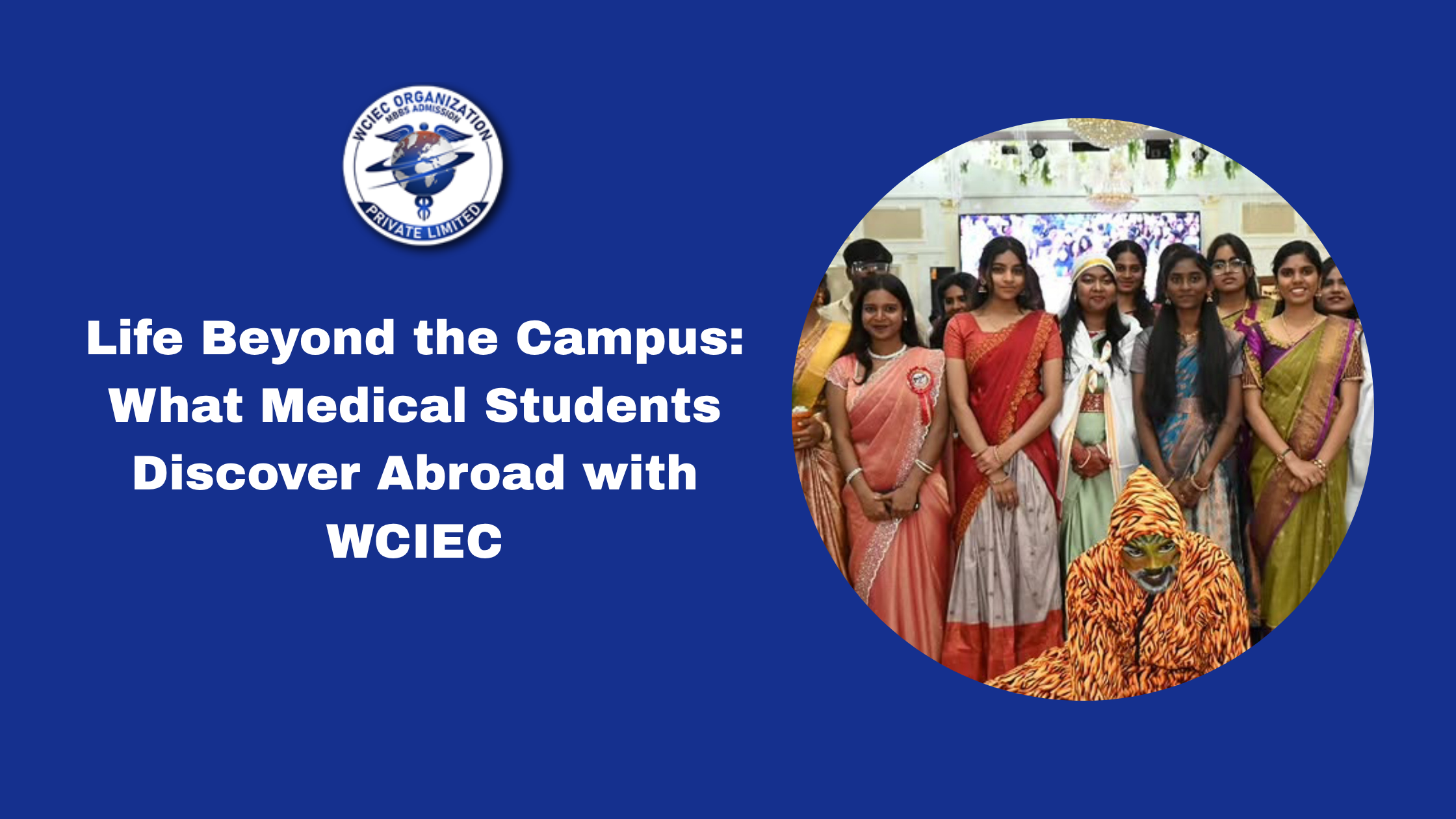
Studying medicine abroad is often described in terms of classrooms, laboratories, examinations, and clinical training. However, the experience of an international medical student extends far beyond the university campus. Moving to another country can introduce students to new cultures, different communities, unfamiliar environments, and new responsibilities.
For aspiring doctors, these experiences can become an important part of personal and professional development. Learning how to communicate with people from different backgrounds, manage everyday responsibilities, adapt to a new environment, and maintain academic focus can help students become more confident and adaptable.
For students considering international medical education, World Choice International Educational Consultant (WCIEC) can provide guidance throughout different stages of the journey, from exploring university options to preparing for life abroad.
One of the first things students notice after moving abroad is that everyday life may be different from what they are accustomed to.
The food, weather, transportation, communication styles, and daily routines may all be unfamiliar. For students studying medicine in countries such as Kyrgyzstan, adapting to these differences can become part of their international education experience.
The adjustment process may take time, but it can also teach students how to approach unfamiliar situations with patience and confidence.
Rather than expecting everything to feel familiar immediately, students can gradually learn about their surroundings and develop their own routines.
International medical universities often bring together students from different countries. This creates an environment where students can interact with people who may have different languages, traditions, experiences, and perspectives.
Cultural exposure can encourage students to become more understanding and open-minded.
For future doctors, this can be particularly valuable. Healthcare professionals work with patients from many different backgrounds, and understanding cultural differences can contribute to better communication and professional relationships.
The lessons students learn from their classmates may therefore extend beyond academic subjects.
Living abroad often requires students to manage responsibilities that may previously have been handled by family members.
Students may need to organize their schedules, manage personal expenses, prepare meals, maintain their living space, and keep track of important documents.
These responsibilities can help students develop independence and practical decision-making skills.
Independence does not mean handling every challenge alone. Knowing when to ask university staff, teachers, friends, or professional support services for help is also an important part of becoming responsible and self-reliant.
Medical education requires consistent academic effort. At the same time, students living abroad have personal responsibilities that need attention.
Managing both areas requires planning.
Students may need to balance:
Creating a realistic routine can help students remain organized.
Good time management is also a professional skill. Future doctors will need to manage multiple responsibilities throughout their careers, making university an excellent environment in which to develop this habit.
Studying in an international environment provides regular opportunities to communicate with people from different backgrounds.
Students may interact with classmates, teachers, university staff, local residents, and healthcare professionals.
These interactions can strengthen communication skills and encourage students to become more comfortable expressing their ideas and asking questions.
For medical students, communication is particularly important. Doctors need to listen carefully, explain information clearly, work with colleagues, and communicate respectfully with patients.
The international student experience can therefore contribute to communication development alongside academic learning.
Life abroad does not have to be limited to studying.
Universities may offer student activities, cultural programs, clubs, academic events, sports, and other opportunities for students to interact.
Participating in appropriate activities can help international students build friendships and feel more connected to their university community.
Students can also learn from classmates by sharing experiences and participating in group activities.
A supportive student community can make the transition to international education more comfortable.
Adaptability is one of the most valuable qualities students can develop while living abroad.
Unexpected situations can occur: schedules may change, communication may be difficult, or a student may encounter a system that works differently from what they are used to.
Instead of becoming discouraged, students can learn to assess the situation, seek reliable information, and find practical solutions.
This ability to adapt can become valuable later in a medical career, where healthcare professionals regularly encounter changing circumstances and complex situations.
Studying abroad can also provide an opportunity to understand the country beyond the university campus.
Students can learn about local history, traditions, architecture, food, and everyday life while respecting local customs and regulations.
Exploring responsibly can help students develop a deeper appreciation of their host country.
For international students in Kyrgyzstan, learning about the country's culture and communities can make their overall experience more meaningful.
Living abroad can teach students important financial habits.
Students may need to plan their spending across accommodation, food, transportation, study materials, communication, and personal activities.
Creating a basic monthly budget can help students understand where their money goes and avoid unnecessary financial pressure.
Financial responsibility is another practical skill that can benefit students long after graduation.
Families can also discuss expected expenses before the student travels so that everyone has a realistic understanding of the financial commitment involved.
Although life outside the campus can be exciting, students should remember why they moved abroad in the first place.
Medical education requires commitment and regular study.
Students should enjoy cultural and social experiences while maintaining their academic responsibilities. Attending classes, preparing for examinations, completing assignments, and participating in practical learning should remain priorities.
A balanced approach allows students to experience international life without losing focus on their medical education.
International education can introduce students to perspectives that extend beyond their home country.
A student may learn alongside classmates from different parts of the world and become familiar with different approaches to communication and teamwork.
These experiences can help students develop a broader understanding of the healthcare environment.
However, becoming a globally minded medical professional requires more than simply studying abroad. Students should continue developing medical knowledge, ethical awareness, communication skills, and professional responsibility.
For students and families, moving to another country for medical education can involve many practical questions.
WCIEC provides educational consultancy services related to international medical education, including university selection, admission assistance, visa and travel guidance, and student support.
Its role can help students understand the practical stages involved in preparing for life abroad and make the transition more organized.
Students should still research their university carefully and verify important information through official sources. Professional guidance can support decision-making, but students and families should remain involved in the process.
The experiences students gain abroad can extend well beyond their medical textbooks.
They may develop:
Independence — by managing everyday responsibilities.
Adaptability — by becoming comfortable with unfamiliar situations.
Communication — by interacting with people from different backgrounds.
Cultural awareness — by learning about different traditions and perspectives.
Time management — by balancing academic and personal responsibilities.
Confidence — by successfully navigating life in a new environment.
These qualities can complement a student's academic development and contribute to their growth as future healthcare professionals.
A successful international student experience does not require students to choose between academics and personal development.
Instead, students can aim for balance.
A healthy routine might include dedicated study time, sufficient rest, appropriate social activities, personal responsibilities, and opportunities to explore the local environment.
Students should also know when to seek support. Universities often have academic and student services that can assist with different concerns.
Asking for help when needed is not a weakness—it is part of responsible decision-making.
Life as a medical student abroad is about much more than attending lectures and completing examinations. It can be an opportunity to discover a new culture, meet people from different backgrounds, develop independence, strengthen communication skills, and learn how to adapt to unfamiliar environments.
These experiences can complement medical education and help students develop qualities that may be valuable throughout their professional lives.
WCIEC can support aspiring medical students as they prepare for their international education journey, from university selection and admission guidance to visa, travel, and student-related assistance.
Ultimately, students get the most from studying abroad when they remain committed to their academic goals while also being willing to learn from the world around them.
The classroom teaches medicine, but life abroad can teach students how to become more adaptable, responsible, and globally aware future healthcare professionals.
All Blog Posts

 Preparing for Your New Life as an International Medical Student with WCIEC
15 August Celebration at WCIEC: Honoring the Spirit of Independence
FMGE Preparation and Time Management: A Practical Guide with WCIEC
FMGE Preparation: What Indian Medical Students Should Know with WCIEC
The Skills That Can Help Medical Students Succeed Abroad with WCIEC
Preparing for Your New Life as an International Medical Student with WCIEC
15 August Celebration at WCIEC: Honoring the Spirit of Independence
FMGE Preparation and Time Management: A Practical Guide with WCIEC
FMGE Preparation: What Indian Medical Students Should Know with WCIEC
The Skills That Can Help Medical Students Succeed Abroad with WCIEC