Admissions Open 2026-27


Date: Oct 01, 2026 Day: Thursday
Studying medicine abroad is an important academic opportunity, but it also means adjusting to a new country, a different environment and a lifestyle away from family. For many Indian medical students, one of the biggest changes is learning how to manage everyday life independently.
In this situation, having a strong support network can make the international student experience more comfortable. Friends, classmates, seniors, university communities and student-support teams can all play different roles in helping students adapt.
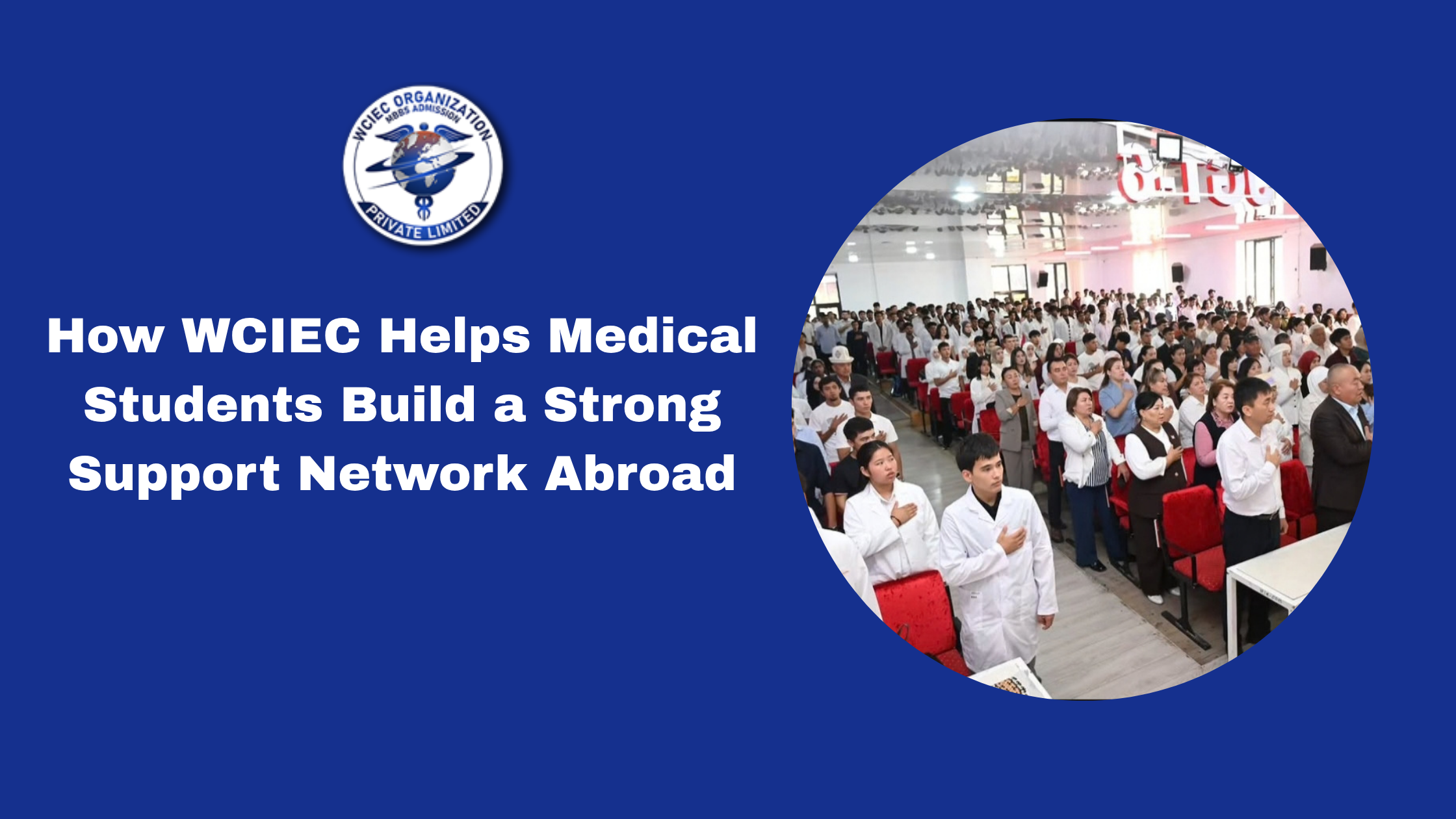
World Choice International Educational Consultant (WCIEC) supports students pursuing medical education abroad and promotes student communities, cultural activities, academic events and opportunities for interaction beyond the classroom. These experiences can help students build connections while becoming more comfortable with life abroad.
When students study in their home country, they often have family members, school friends and familiar surroundings nearby. Moving abroad changes that environment.
A student may initially have questions about accommodation, university routines, transportation, studies, food or local customs. Having people around who understand the experience can make it easier to find information and adjust.
A support network does not necessarily mean relying on others for every decision. Instead, it provides students with people they can communicate with, learn from and approach when they need guidance.
For Indian students studying medicine in Kyrgyzstan, meeting other Indian students can provide a sense of familiarity.
Students can share experiences about adapting to university life, managing their academic routines and living away from home. They may also celebrate Indian festivals and cultural occasions together.
WCIEC's published information highlights Indian and international student communities as part of the broader student experience. Such communities can help newcomers interact with students who may have gone through similar experiences.
Senior students can become a useful source of practical information for newcomers.
A first-year student may have questions about study routines, university facilities, practical sessions or everyday student life. Seniors who have already experienced these stages may be able to share their own experiences.
This does not replace official university guidance, but peer interaction can give students another perspective on adjusting to medical school abroad.
For new students, even simple conversations with seniors can help them feel less unfamiliar with their surroundings.
Classmates are often the first people students interact with regularly after joining university.
Medical education involves lectures, practical learning, group activities and examinations. Spending time with classmates can naturally lead to friendships and study partnerships.
International universities may include students from different regions and countries. Interacting with them gives Indian students opportunities to understand different perspectives and become more comfortable in a multicultural environment.
Over time, classmates can become an important part of a student's social and academic support system.
Activities outside regular classes can make it easier for students to meet people.
Cultural programs, sports, competitions and student events provide informal environments where students can interact without the pressure of regular academic work.
WCIEC has highlighted student activities and campus events as part of life beyond the classroom. Such activities can encourage interaction, teamwork and communication among students.
Participating in an activity can sometimes be the easiest way for a new student to start a conversation and meet people outside their immediate class group.
Connections do not have to remain limited to one university.
Inter-university events can bring medical students from different institutions together. WCIEC's MEDQUEST initiative, for example, brought students from multiple medical universities together for medical knowledge, practical challenges, teamwork and communication.
These events can give students opportunities to meet other medical students, exchange experiences and develop connections outside their own campus.
For students studying abroad, wider connections can provide a broader view of medical student life in the region.
Culture can be an important way of bringing people together.
Indian students living abroad may participate in festivals and cultural programs that remind them of home. At the same time, these events can introduce Indian traditions to students from other backgrounds.
WCIEC has highlighted cultural celebrations and student activities as part of its broader student experience.
Participating in such events can help students interact with others while maintaining a connection with familiar traditions.
A strong support network is built through communication.
Students need to feel comfortable starting conversations, asking questions, listening to others and working together. These skills are useful not only for making friends but also for medical education and future professional life.
Group activities and competitions provide opportunities for students to practise teamwork in a practical setting.
WCIEC's inter-university medical activities have included team-based challenges and communication-focused components, giving students opportunities to work with peers in different situations.
A student's support network should not consist only of other students.
When studying abroad, students may also need guidance regarding accommodation, campus life, travel or other practical concerns. In such situations, an established student-support system can be useful.
WCIEC's published information describes support related to accommodation, campus guidance, cultural adaptation and daily student life.
The exact type of assistance available can vary according to the student's university and circumstances, so students should understand the support arrangements available to them before beginning their journey.
Support does not mean removing every challenge from a student's experience.
One of the important parts of studying abroad is learning to handle responsibilities independently. Students gradually learn how to organize their schedules, communicate with different people and solve everyday problems.
A good support network can provide guidance when necessary while allowing students to develop their own confidence and decision-making abilities.
Over time, students may find that they need less help with routine matters because they have become familiar with their environment.
Moving abroad can sometimes make students feel like outsiders, particularly during the first few weeks.
A sense of belonging can develop when students have people around them with whom they can communicate comfortably. Regular interaction, shared experiences and participation in activities can gradually make a new environment feel more familiar.
Student communities can therefore contribute to more than social life. They can help students feel connected to their university and surroundings.
WCIEC can provide opportunities and support, but students also play an important role in building their own connections.
Students can:
Small interactions can eventually develop into meaningful friendships and professional connections.
The connections students make during medical education may become valuable beyond university.
Classmates can eventually become doctors working in different hospitals, cities or countries. Friends and professional contacts from different backgrounds can provide opportunities for knowledge exchange and collaboration throughout a medical career.
International education naturally exposes students to a wider community. Building positive relationships during university can therefore become part of a student's broader professional development.
Studying medicine abroad is not only about adapting to a new academic system. It is also about building a new social environment and learning how to live independently.
WCIEC's focus on student communities, cultural activities, academic events and inter-university programs provides opportunities for students to interact with peers and become more connected to their surroundings.
A strong support network can help students exchange experiences, build friendships, communicate more confidently and feel more comfortable while adapting to life abroad.
At the same time, students should gradually develop their own independence and decision-making skills. The most useful support system is one that provides guidance when needed while allowing students to grow through their own experiences.
For medical students abroad, the people they meet during university can become an important part of their journey — not only as friends and classmates, but also as a wider community that shares the experience of learning medicine away from home.
All Blog Posts

 How WCIEC Helps Medical Students Turn Campus Experiences Into Career-Ready Skills
How WCIEC Helps Students Balance Academic Life and Personal Growth Abroad
How Cultural Activities Help Indian Medical Students Adapt to Life in Kyrgyzstan
How WCIEC Supports Students Throughout Their Medical Education Journey
How WCIEC Supports Students Throughout Their Medical Education Journey
How WCIEC Helps Medical Students Turn Campus Experiences Into Career-Ready Skills
How WCIEC Helps Students Balance Academic Life and Personal Growth Abroad
How Cultural Activities Help Indian Medical Students Adapt to Life in Kyrgyzstan
How WCIEC Supports Students Throughout Their Medical Education Journey
How WCIEC Supports Students Throughout Their Medical Education Journey